
The UP Manila Museum of a History of Ideas isn’t exactly well-known—I only stumbled upon it through a Facebook post last August during their Buwan ng Wika promo. Since it’s far from where we live, I figured we’d just go if we happened to be in Manila, which is one of my favorite places anyway.
Sure enough, on August 29, after my son’s appointment at PGH, we passed by the museum on our way to lunch at Robinson’s. I thought, why not drop by after eating?
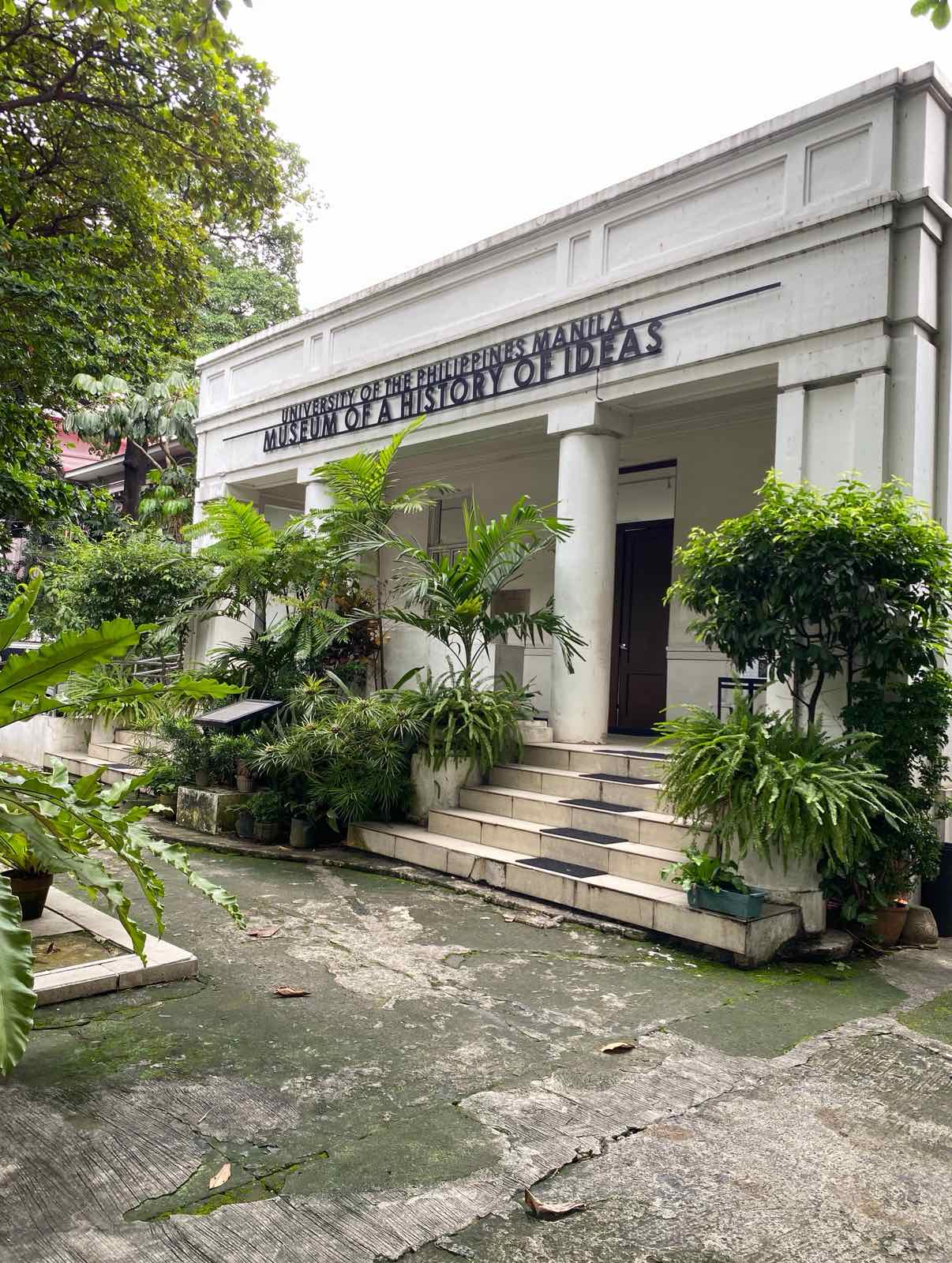
I didn’t really know what to expect, but since it’s under UP Manila’s College of Medicine, I had a hunch it would be science-related.
Rates were affordable: Php 75 for the general public, Php 60 for seniors and PWDs, Php 50 for students, and just Php 25 for UP students and staff. We came on an early afternoon on a Friday and the place was empty.
How to get the best Museum Experience
When I was a teenager, I joined school-organized field trips to museums. I never really enjoyed them—there were always other schools around, the crowds were overwhelming, and I’d disengage the moment we stepped off the bus.
Looking back, I realized that pulling away was simply my way of coping with the anxiety of being in such crowded spaces.
Fortunately, since we homeschool all our kids, visiting museums has become part of our lifestyle. One thing I’ve learned is that to truly get a fulfilling experience, it helps to read the didactic panels and labels for each section and item on display. It helped that they have a guide to explain what these sections and items are and why they matter.

PGH was first established by American soldiers
At the Museum of the History of Ideas, the first thing they ask guests to do is to watch the introduction video which gives you a brief overview on what you will see at the place.
Did you know that it was the Americans that introduced the Filipinos to modern medicine, taught us personal hygiene and sanitation, graduated our first Philippine-based medical student (I’m saying PH-based because there were Filipinos who studied medicine abroad) and established the Philippine General Hospital?
When the Spanish-American War ended in 1898 and the Americans, together with our Filipino revolutionaries, successfully booted out the Spaniards, the Americans soon had to contend with a wave of tropical diseases that they had never known before—Malaria, Dengue, Tuberculosis (TB), and a bunch of other diseases.
TB they had already learned to contain in the US, but the rest were killing their soldiers stationed here. That’s when they started teaching the Filipinos about hygiene and sanitation, and segregated by camps those who were afflicted.
However, the Americans mistakenly thought that Filipinos could survive these diseases since we live in the tropics, so they started by only treating the Americans. They also fumigated and sprayed the camps with the Filipinos in them, unintentionally killing some of them in the process. This is according to our museum guide, Ms. Jackie Lumain.

It was then that they realized that they needed to bring modern medicine and other “secular” education to the Philippines to help the nation rebuild itself from the ground up.
They later established the Philippine General Hospital, or PGH, in 1910, which was a huge revelation for me! To be honest, I had only known the Americans to have fought the wars with us and taught us about democracy. It didn’t quite dawn on me that it was they who brought modernization and urbanization to our soil.
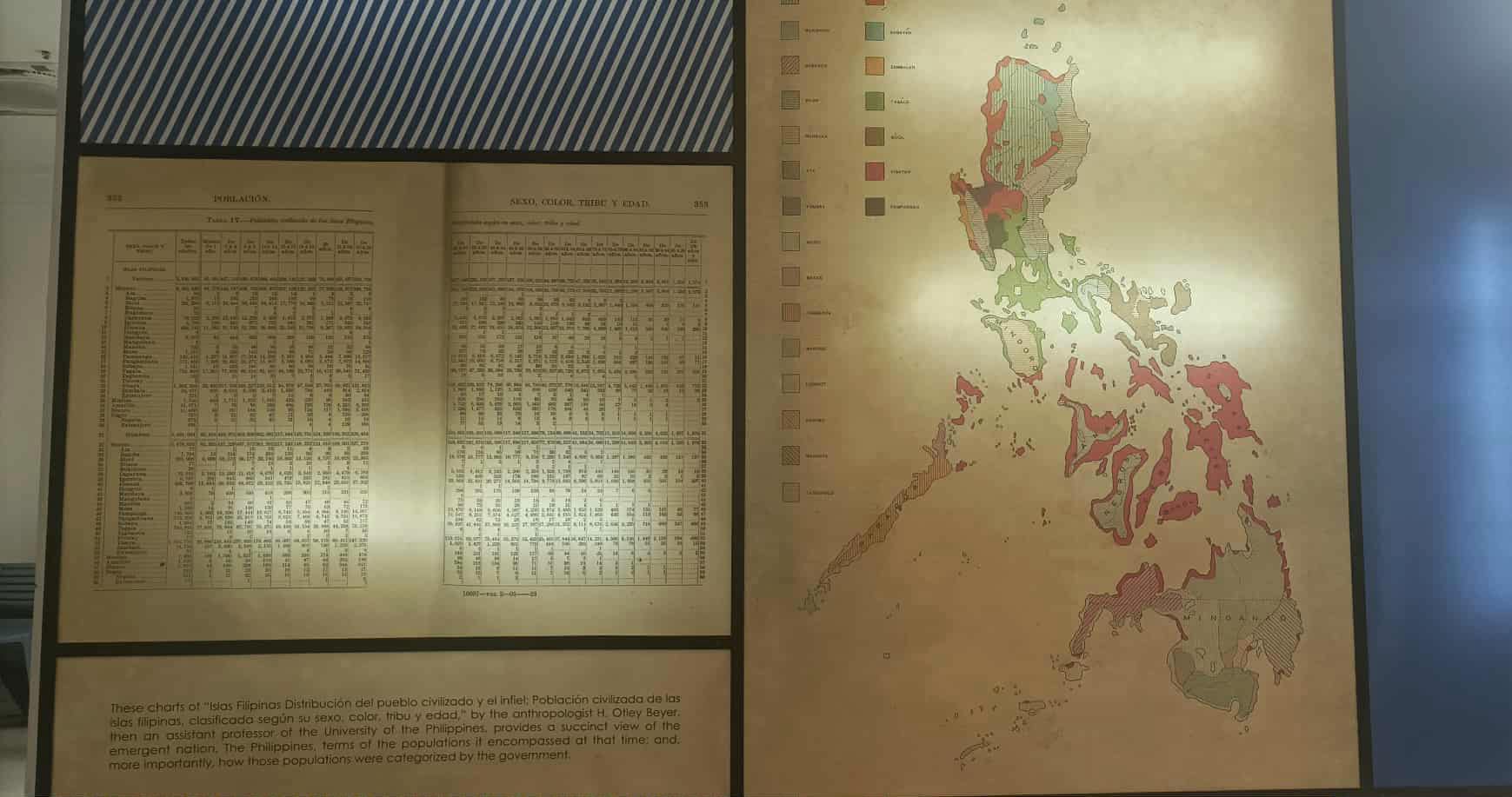
So when I say modernization, or in the term used back then, “secularization,” I’m referring not only to technology and structures. That’s just Engineering and Architecture, which were among the courses they started teaching at the University of the Philippines, the institution they also established.
They also included in our education Veterinary Medicine, Agriculture, Law, Humanities, Social Sciences, Music, and others.
The first Filipino to graduate from the College of Medicine was a woman!
Medicine was the first course they taught at the university. The exhibit showed photos of medical students from the very first batch which didn’t look like any more than 10 students. The very first Filipino to graduate from the UP College of Medicine and from UP overall was a woman! Her name was Maria Paz Mendoza – Guazon. She was married to Potenciano Guazon who was the very first Filipino head of the Department of Surgery.
Before, only American doctors were allowed to perform surgery. It was later on that Filipino doctors who trained abroad and started to make a name for themselves locally were appointed, as well.

Fascinating Exhibits
The history is what made the exhibit fascinating! We saw the equipment brought by the Americans to show that they’re mostly made of steel and not wooden, like the ones brought in by the Spaniards.
Compared to wood, it is hard for viruses and bacteria to stick to steel.


The drills were propelled by foot pedals, much like the ones you see on grandma’s sewing machines.
There were also various microscopes and a stethoscope owned by one of the first Filipino doctors, and steel boxes where doctors stored their medical tools.


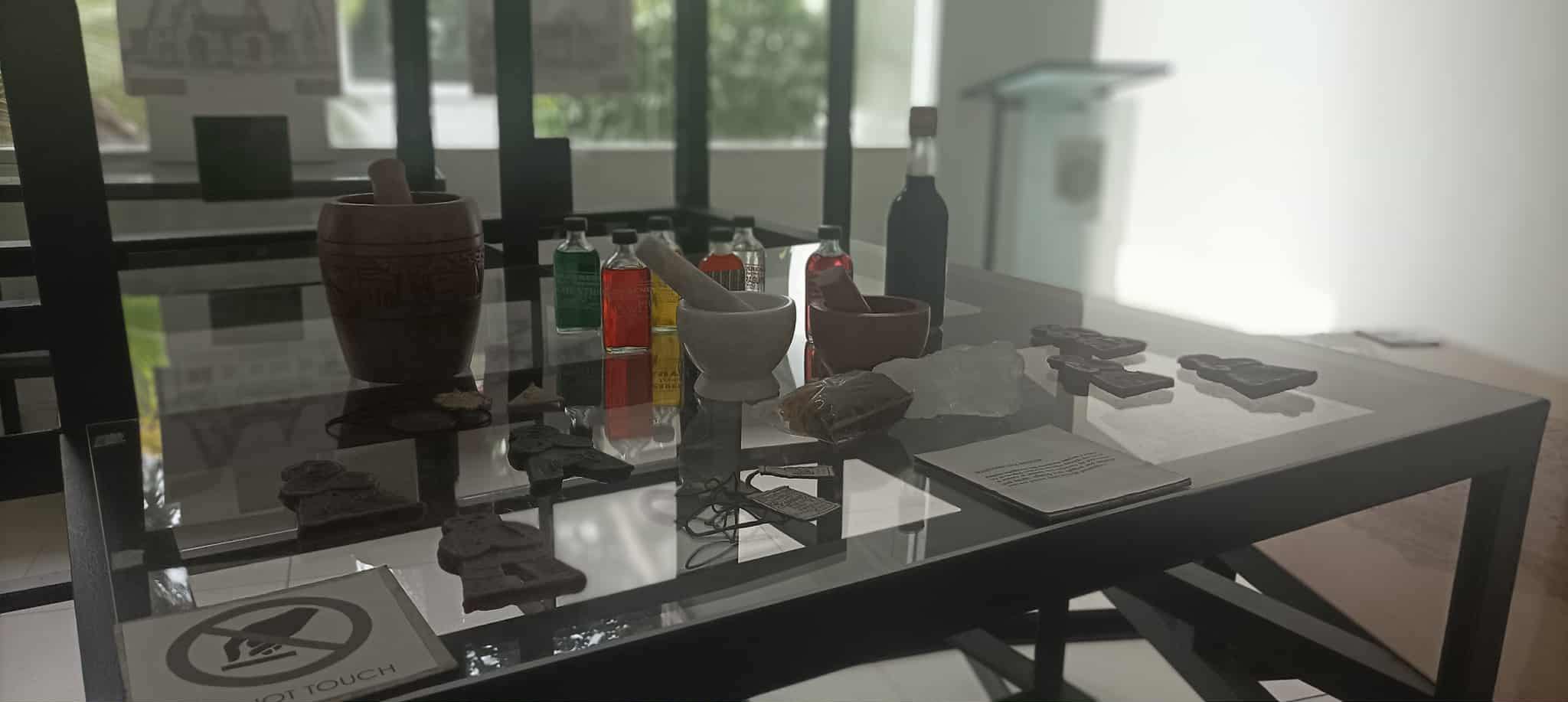
There was a necrological record of a 13-year old boy who died from Malaria, herbal medicine used by our ancestors, and a photo of the first cross-bred pig.

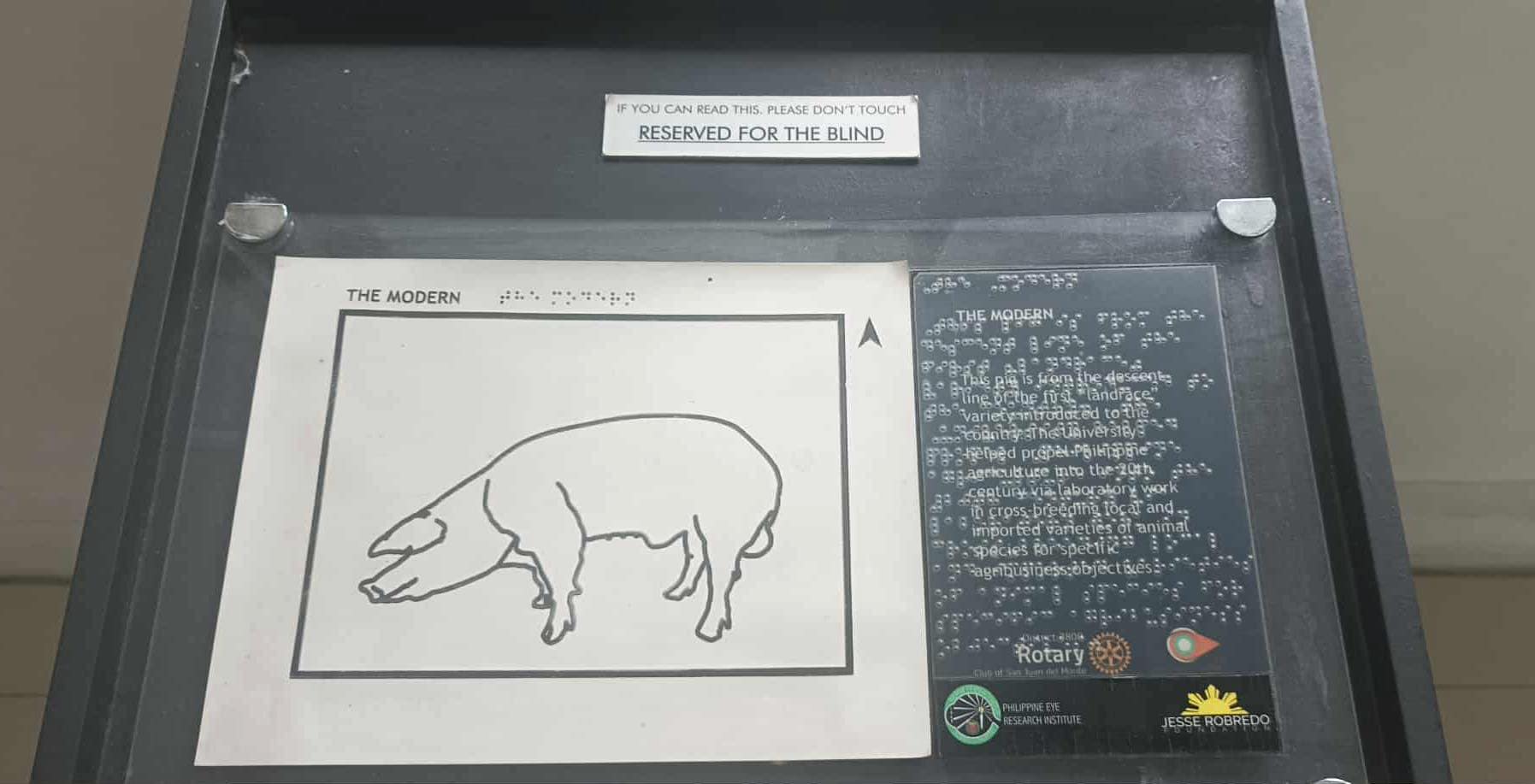
Did you know that when the Americans first came here, the only pig we had was the baboy ramo or wild boar?
The Americans didn’t like the taste of our pig, so they brought in their pig and had it cross breed with ours.
No religion allowed!
When the Americans first came, they wanted to reduce the strong Spanish and Catholic influence on Filipino society. In hospitals, for example, priests were initially not allowed to freely visit patients as they had during Spanish rule.
I came across a document there—though I didn’t get to read it fully—that showed petitions asking that Catholic priests be permitted inside hospital premises. The compromise was that priests could only enter if a patient specifically requested their visit.

The curious X-ray machine
There was a curious X-ray machine there, too. It was a vertical row of big light bulbs. Jackie said that none of the doctors she asked knew how they worked.
I looked it up and I found that they match the Crookes and Coolidge tubes shown at the Smithsonian National Museum of American History.
The x-rays are aimed at the patients, then on the other side, a photographic plate would capture the shadow image.
This is how the doctors will see broken bones, swallowed objects and lung infections.
The white shadows are the bones, the soft tissues are darker.

Dr. Fausto Galauran Exhibit
Near the entrance/exit is the Fausto Galauran Exhibit which they extended till the end of August. Fausto Galauran has written the most number of novels and was one of the writers of the then known magazine, Liwayway.
Among the exhibit was a cover of a book he wrote entitled Dr. Kuba which happens to be the very first Science fiction in Southeast Asia.
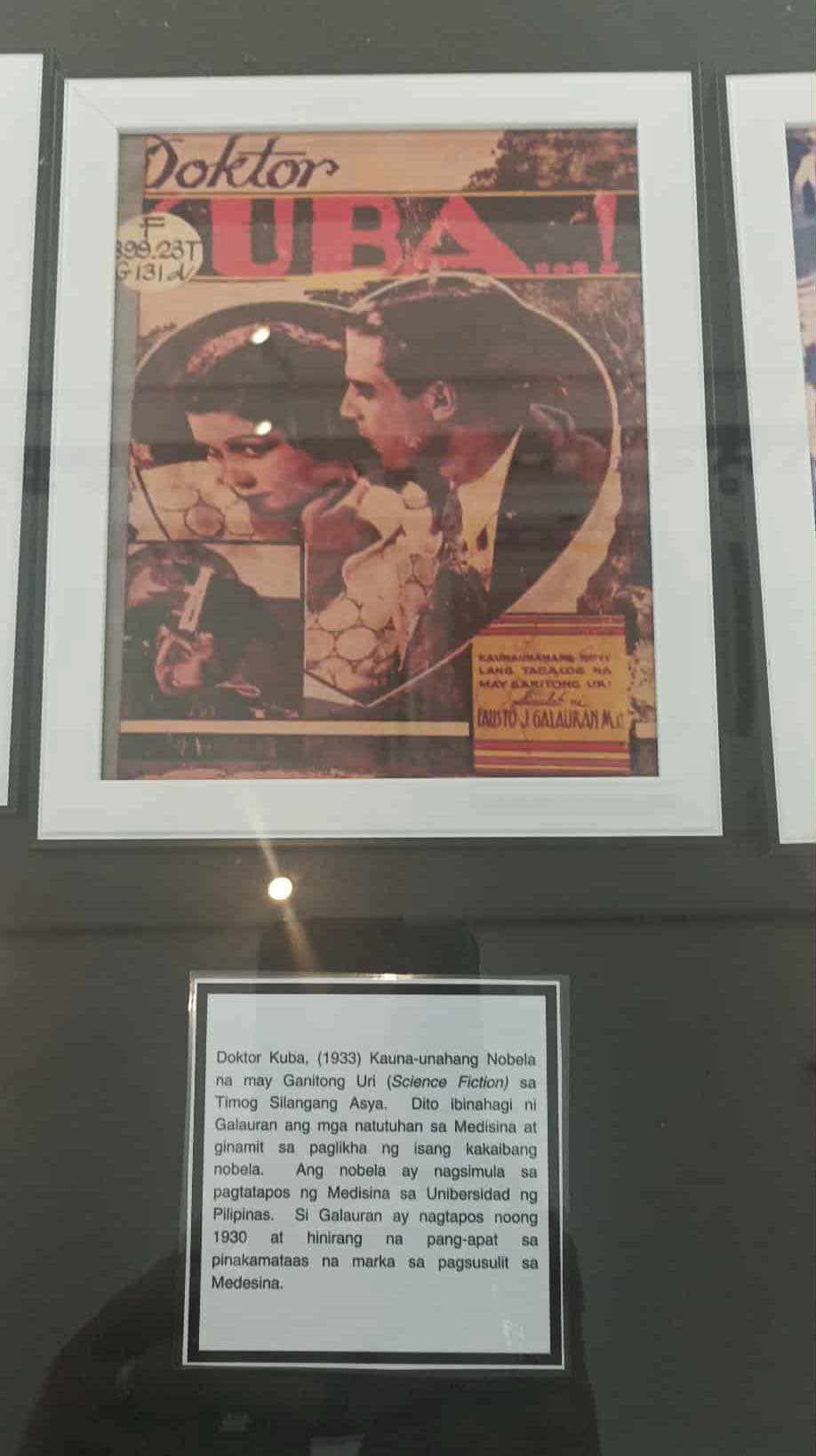
Jackie told us that this book is being read and studied in universities in the US and Europe, which prompted me to ask the big “why.” Jackie said that they do not know either.
According to Dr. Fausto Galauran’s Facebook page, Doktor Kuba is a story about “a brilliant—but tragically disfigured—gifted scientist named Doctor Kuba who relentlessly pursued the secret to physical transformation. He will do whatever it takes to hide his monstrous appearance.”
Just so you know, Dr. Fausto J. Galauran placed 4th among the top ten examinees in the Philippine Physician Licensure Examination in 1930.
There were also some books about Emilio Aguinaldo on sale for as low as Php 200.
That’s basically what you’ll find at the Museum of the History of Ideas. I would recommend it for learners 10 years old and beyond. It’s not a very big museum, but it’s definitely rich in mind-blowing history.

Events and other activities at the Museum of the History of Ideas
If you like visiting Museums, here’s a list of places you can find in Manila:
Other Museums you can visit in Manila (Click each one to find my post about them):
National Museum of Fine Arts
Other historical sites in Intramuros

UP Manila Museum of the History of Ideas offers guided group tours.
As for events, Jackie also told us of plans for reshowing a movie on Gregoria de Jesus and about a preliminary Art Therapy class. I hope to be able to join that one.
For inquiries, you may visit their official FB page here: UP Manila’s Museum of the History of Ideas.



 May Palacpac, Storyteller
Leave a Reply to staciekiselmangmailcom Cancel reply